Beanie Babies: The Bubble That Never Fully Burst
In the 1990s, adults lined up before dawn to buy five-dollar plush toys and treated them like investments. This is the story of how Beanie Babies became a cultural and economic bubble.
Introduction
In the 1990s, something strange happened in America. People weren't just buying stuffed animals for their kids. Adults were lining up at stores before dawn, hiring people to buy toys for them, and investing their life savings into small, pellet-filled plush toys called Beanie Babies. At one point, 64 percent of American households owned at least one. Some rare versions sold for thousands of dollars. And yes, this was really happening.
Today, if you dig through your parents' basement, you might find a plastic container full of these tiny bears and frogs, still wrapped in plastic. You might wonder: could these be worth a fortune? The answer is probably not. But the story of how these five-dollar toys became one of the most talked-about economic bubbles of all time is fascinating.
What Are Beanie Babies?
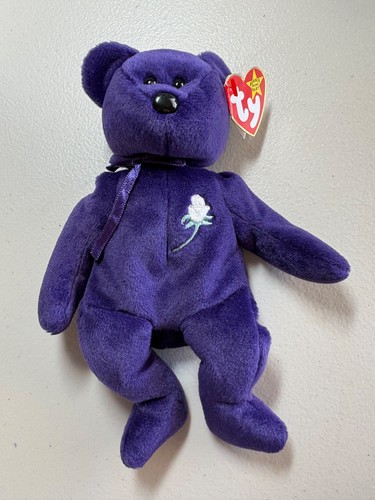
Beanie Babies are small stuffed animals filled with plastic pellets instead of cotton or foam. That simple difference made them special. Because of the pellets, the toys were flexible and could hold different shapes. You could pose them however you wanted. They were soft, huggable, and adorable.
Each Beanie Baby came with a small heart-shaped tag attached to it. On that tag was the toy's name, a birthdate, and a cute little poem. This wasn't just a toy thrown together quickly. Each one had personality and charm.
The toys came in many animal shapes and styles. There were frogs, dolphins, whales, moose, platypuses, bears, and even lobsters. The original nine Beanie Babies created by founder Ty Warner included favorites like Legs the Frog and Splash the Whale. But the collection would eventually grow to over 2,000 different designs.
The original price tag? About five dollars. That's all it took to start a revolution.
The Man Behind the Magic: Ty Warner
To understand Beanie Babies, you need to know about the person who created them: Ty Warner. He wasn't a typical toy maker. Warner was intense, detail-oriented, and obsessed with perfection.
Before creating Beanie Babies, Warner worked for Dakin, one of the biggest plush toy companies in America. He was their top salesman, known for his sharp business mind. But Warner had dreams of his own. He started secretly creating his own toy line while still working there. When his boss found out, Warner was fired on the spot.
Rather than jump back into the business right away, Warner traveled to Italy and spent three years living there. When he returned to America, he founded his own company: Ty Inc.
Warner's first innovation was important. He noticed that stuffed animals on the market were too stiff. They couldn't stand up on their own, and they didn't feel right in your hands. So Warner did something different. He deliberately made his toys a little flatter and stuffier with PVC pellets (the "beans" that gave Beanie Babies their name). This made them floppy and fun. At one toy fair, he reportedly sold thirty thousand dollars worth of his stuffed cats in just one hour.
Beanie Babies launched in 1993 at the North American International Toy Fair in New York City. But here's the important part: they didn't become an instant hit. Sales were slow at first. Many retailers refused to stock them, even when Warner tried to bundle them with other products.
Then, in 1995, something changed everything.
The Moment Everything Changed: Artificial Scarcity
In 1995, one of Ty Warner's non-Beanie toys called Lovie had to be discontinued due to a supplier problem. To handle this, Warner made a simple but brilliant decision. Instead of saying Lovie was "discontinued," he announced it was being "retired."
This word choice changed everything.
When something is discontinued, it's gone because there was a problem. When something is retired, it sounds like it earned a break after a long career. Suddenly, people saw Lovie as special and rare. Its value skyrocketed. Retired toys could be bought and sold for way more than their original five-dollar price tag.
Warner realized he had stumbled onto something powerful. Starting in 1995, Ty Inc. began retiring Beanie Babies regularly. Sometimes multiple characters would be retired at the same time. New designs would arrive, replacing the old ones. This strategy created what economists call "artificial scarcity." There were only so many retired bears left in the world, which made people desperate to own them.
Store owners helped fuel the craze by limiting how many Beanie Babies each person could buy. They might allow only two per customer, or put a purchase limit on certain styles. This made people feel like they were competing in something important. Long lines formed outside stores when new releases arrived. Parents camped out overnight to buy the hottest new Beanies for their kids.
But it wasn't just in stores anymore. A new technology was about to make everything explode: the Internet.
eBay and the Birth of Online Collecting
In 1995, a small online auction site called eBay launched. Nobody knew at the time that it would become one of the most important shopping platforms in the world. But Beanie Babies collectors discovered eBay, and eBay discovered Beanie Babies.
At first, people didn't collect Beanie Babies specifically as an investment. But when some of those original, retired toys started appearing on eBay with much higher prices than the store price, something clicked in people's minds. If a bear bought for five dollars could sell for twenty dollars, why not buy more and sell them later?
By 1997, Beanie Babies accounted for six percent of all sales on eBay. By some estimates, eBay was auctioning off $500 million worth of Beanie Babies in just one month. The online auction site wasn't just a place to find items anymore. It became the marketplace where Beanie Baby fortunes were made and lost.
The timing couldn't have been better. The 1990s were a time of optimism in America. The Soviet Union had fallen, the economy was growing, and new technology seemed to promise unlimited potential. People felt good about the future. This confidence spilled over into everything, including stuffed animals.
Peak Mania: When Everyone Went Crazy
By 1997 and 1998, the Beanie Baby craze had reached peak madness. Adults who had no kids were collecting them. People were treating these toys like stocks and bonds. Magazines like Mary Beth's Bean Bag World sold over 650,000 copies per month at newsstands. Pricing guides that predicted future values became bestsellers. People bought plastic protectors to keep the tags in perfect condition because they believed a Beanie Baby in mint condition would be worth serious money someday.
One collector named Peggy Gallagher from Chicago became famous for her Beanie Baby deals. She bought thirty Chilly the Polar Bear Beanies from a German supplier for seven dollars each, then sold them for $1,800 each. Her pricing lists became so influential that she could actually move the entire market just by listing what she thought something was worth.
In 1998, when McDonald's ran a promotion including Teenie Beanies (miniature versions) in Happy Meals as a promotion, it pushed the craze even higher. It was a cultural event. Kids wanted them for the toys, but adults wanted them as potential investments. Some families reported that their kids weren't even allowed to play with their Beanies because the parents wanted to keep them in perfect condition for future sale.
The numbers from this time period are shocking. Ty Inc.'s annual sales surpassed $1.4 billion in 1998. That's roughly equivalent to twenty billion dollars today when adjusted for inflation. Ty Warner became a billionaire. He was worth more than other wealthy toy industry leaders who had been around for decades.
Divorced couples fought over their Beanie Baby collections in court. Children were trampled in stores during sales events as adults pushed to buy rare versions. Families took out second mortgages on their homes to fund their Beanie Baby habit. Parents genuinely believed that their kids' college tuitions would be paid for by a purple teddy bear sitting in a plastic case.
One family spent over one hundred thousand dollars building a collection of twenty thousand Beanie Babies. Their plan was to fund five college educations. Instead, their collection would later sell at auction for about fifty dollars total. That represented a 99.95 percent loss on their investment.
The Dark Side: Crime and Fraud
When something becomes as valuable as Beanie Babies seemed to be, crime follows close behind. The craze's dark side is a wild story all on its own.
In small ways, people stole Beanie Babies from stores, homes, and cars. Police found Beanie Babies during busts of organized crime groups. Ohio police even discovered twenty thousand dollars worth of stolen Beanie Babies that had been lifted from a toy distributor's van.
In March 1999, a burglar in New York became famous for stealing two hundred Beanie Babies from a stationery shop in one night. Police nicknamed him the "Beanie Baby bandit."
Bigger crimes happened online. Scammers would list rare Beanies on eBay for thousands of dollars, collect payment, and never ship the toys. One woman named Melissa Ann Stiver in Florida sold rare editions online for over one thousand dollars each, then pocketed the money without sending anything. A Tennessee collector paid twenty-five hundred dollars for two specific bears that never arrived. Stiver was arrested for grand theft in 1998.
Counterfeit Beanies flooded the market from overseas. In the low-quality digital photos of the mid-1990s, fake toys looked almost identical to real ones. People paid premium prices for counterfeits without knowing the difference.
Even crime for basic survival was connected to Beanies. One couple in New Hampshire used forged checks to buy twenty-four hundred dollars worth of valuable Beanie Babies. They then resold them at a profit to buy heroin.
Ty Inc. itself became aggressive in protecting its brand. The company sent cease-and-desist letters to small stores and cut off supplies to retailers that ran discounts or promotions. A toy store in Connecticut called Tybran (named after its owners' young sons, Tyler and Brandon) received a cease-and-desist letter just for having a name too similar to Ty.
Why People Believed: The Psychology of Bubbles
All of this happens for a reason. Economic bubbles aren't just accidents. They happen when specific conditions come together. Experts have studied bubbles for centuries, from tulip mania in 1600s Holland to tech stock bubbles to cryptocurrency crazes.
Bubbles happen when three things occur at the same time:
Scarcity: When something is hard to find, people assume it must be valuable. Ty Warner had engineered the scarcity of Beanie Babies through retirements and limited production. This wasn't natural scarcity. It was artificial. But it felt real to collectors.
Herd Psychology: When you see other people excited about something, you want to be part of it. When you see people making money, you want to make money too. In the 1990s, stories about Beanie Baby profits spread everywhere. Playgrounds buzzed with Beanie Baby talk. Magazines published success stories. TV news covered the phenomenon. Pretty soon, everyone felt like they were missing out if they weren't collecting.
Speculation: People weren't collecting Beanies because they loved them as toys or even because they admired them as art. They were collecting them because they believed the price would keep going up and up. At the peak of the craze, collectors were making average profits of 500 percent on their investments. That's incredible. When you're making that kind of money, it's hard to ask questions.
Expert Harry Rinker, who studies collectibles and bubbles, created something called "Rinker's 30 Years Rule." It says that for the first 30 years of anything's life, all its value is speculative. Nothing is truly tested as an investment until decades have passed. But this rule was ignored during the Beanie Baby craze.
The Announcement That Started the End
On August 21, 1999, Ty Inc. made a shocking announcement. Buried at the end of a press release about new toys, the company wrote something that would change everything:
"VERY IMPORTANT NOTICE: On December 31, 1999, 11:59 p.m. (CST) all Beanies will be retired including the above!"
The company said all Beanie Babies would stop being made on New Year's Eve 1999. Just like that.
Collectors panicked. Some thought this was good news. If all Beanies would be retired, then the ones they owned would become even more rare and valuable, right? Maybe prices would skyrocket one more time.
But something different happened. Anxiety spread through the market. Instead of prices going up, they started going down. On the night in 1999 when Ty announced its new retirement schedule, collectors sat at their computers refreshing eBay, waiting for the usual price spike that happened every time new retirements were announced. It never came.
No spike meant no growth. If prices weren't going up anymore, why hold onto these toys? Why not sell them now while they still might be worth something?
Panic selling began. The market began to break down.
Later, Ty claimed that this was all a marketing stunt and that fans had voted to keep Beanie Babies in production. The company released a new bear called "The Beginning" to kick off the new millennium. But the damage was done. The magic was gone.
Why the Bubble Burst: The Perfect Storm
The Beanie Baby bubble didn't pop because of one thing. It happened because several things went wrong at the same time.
Oversupply: In the late 1990s, Ty Inc. ramped up production to try to meet all the demand. Production surged higher and higher. By the year 2000, the market was flooded with inventory. People opened their plastic storage containers expecting to find rare, valuable toys. Instead, they found the market glutted with the same bears and frogs their neighbors were sitting on. Scarcity was dead.
The Dot-Com Bubble: The Beanie Baby craze hit at exactly the same time as the dot-com bubble. Technology stocks and internet companies were being hyped as the future. When that bubble burst in 2000 and interest rates started rising, people suddenly had less money to spend on speculative investments. Beanie Babies weren't as exciting anymore when people were worried about their retirement accounts.
Declining Demand: The simple math of supply and demand turned against Beanie Babies. When supply goes up and demand starts going down, prices fall fast. By 2000, newly retired Beanie lines were selling three for ten dollars at flea markets. These toys that people had paid hundreds of dollars for were now going for pocket change.
Market Saturation: The collectors who had been hoarding Beanies eventually realized the truth. The value wasn't coming back. Instead of waiting for their collections to become valuable, they opened their storage containers and tried to sell. The market got flooded with inventory from people dumping their collections. This made prices fall even faster.
The collapse was swift and total. Between 1998 and 2000, many Beanie Babies lost 96 percent of their value or more. Collections that had been carefully stored in plastic cases ended up at garage sales, flea markets, and donation bins.
What Is a Beanie Baby Worth Today?
This is the question everyone with a collection wants to know. If you found your childhood Beanies in your parents' basement, could you get rich?
Probably not. Most Beanie Babies today sell for less than their original five-dollar price. Many go for fifty cents or less. The vast majority of your collection is probably worthless.
But not all Beanies are worthless. Some are actually still valuable. The ones that sell for serious money today have something special about them. They might be:
Early versions: The original nine Beanies or other early releases from the first couple of years are worth more because fewer of them were made.
Rare colors: Some Beanies were made in special colors for only a short time. For example, Peanut the Elephant was made in a bright royal blue color for only a short period. These color variants can be worth hundreds or even thousands.
Misprints and mistakes: Sometimes Ty made errors. A Beanie might have a name spelled wrong on the tag, or a different color than it should have. These errors actually make them more valuable because so few exist with that particular mistake.
Retired versions: The very first toys that were retired in the mid-1990s tend to be worth more than later retirements.
For example, collectors report that a misprinted Bubbles Beanie Baby with certain manufacturing errors can sell for over one hundred thousand dollars. A Peanut in royal blue might sell for hundreds or occasionally a few thousand dollars.
However, you need to be careful. The internet is full of fake listings. Some Beanie Babies are listed on eBay for hundreds of thousands of dollars, but these sales likely never actually happen. Real, verifiable sales happen at much lower prices.
Today, a small community of dedicated collectors maintains the market. People like Becky Estenssoro run authentication services called True Blue Beans that grade Beanie Babies like baseball cards. Collectors created updated pricing guides based on actual sales data, not speculation. This makes the modern market more honest than it was in the 1990s.
If you have a valuable Beanie Baby, you'll probably make more money selling it than it costs to ship it, but you won't be funding your retirement from your childhood collection.
The Lessons: What the Bubble Taught America
The Beanie Baby bubble crashed at almost exactly the same moment as the dot-com bubble burst in 2000. Both were economic bubbles fueled by speculation and easy credit. Both taught hard lessons about investing and value.
The most important lesson is this: scarcity alone doesn't create lasting value. Just because something is hard to find doesn't mean it will be valuable forever. Someone in the future has to want to buy it and pay more than you paid. If people stop wanting it, the price collapses.
Second, bubbles happen when people focus on the price going up instead of the actual value of what they're buying. If the main reason to own something is because you think you can sell it for more money later, that's usually a sign you're in a bubble. This applies to stocks, real estate, cryptocurrency, and yes, stuffed animals.
Third, marketing and perception are powerful. Ty Warner's genius wasn't creating a great product. He created a product and then made people believe it was rare and valuable. The "retirement" strategy created artificial scarcity. The pricing guides made people think they could predict the future. Mass media amplified the frenzy. Playground word-of-mouth spread the mania.
Yet fourth, not everyone lost money on Beanie Babies. The retailers and speculators who got in early and got out at the peak made real money. People who collected for fun and then sold at the peak made profits. Ty Warner became a billionaire. The winners were the ones who understood that bubbles eventually pop and got out before the crash.
Finally, the Beanie Baby craze normalized online shopping and e-commerce for millions of Americans. Many people made their first eBay purchase buying or selling Beanie Babies. The craze accelerated the growth of the internet when it was still young and unfamiliar. In that sense, Beanie Babies were one of the first internet-era cultural phenomena. They're part of tech history, not just toy history.
Modern Beanie Babies: The Bubble That Never Fully Burst
Here's why the title of this guide uses the phrase "the bubble that never fully burst": Beanie Babies didn't completely disappear. They're still being made today.
After the initial crash, Ty Inc. kept producing Beanie Babies, though in much smaller numbers. The company partnered with major licensed properties and created Beanies based on characters from movies and TV shows. SpongeBob SquarePants Beanies, Shrek Beanies, and Hello Kitty Beanies joined the lineup.
New collectors still exist. People who grew up in the 2000s and 2010s sometimes collect them without any illusions about them being investments. They collect because they like the designs or nostalgia. Ty Inc. still makes a profit, even though the boom is over.
The secondary market still exists too. People still buy and sell vintage Beanies online. It's a smaller market, but it's there. Some people are still hoping that one day, the market will return to its former glory.
It almost certainly won't. The conditions that created the bubble are unlikely to happen again. The internet isn't new and mysterious anymore. People understand how online markets work. Authentication is better. Pricing is more transparent. People are more skeptical of speculation.
But Beanie Babies are still around. They're in basements. They're in plastic storage containers under beds. They're in museums as historical artifacts. They're reminders of a specific moment in time when America went a little crazy.
The Remarkable Story of Ty Warner
While we're looking back at Beanie Babies, it's worth remembering the person who started it all. Ty Warner's story is almost as remarkable as the bubble itself.
Warner created more than just a toy. He created a cultural phenomenon. By the year 2000, his net worth exceeded $2.4 billion. He had become one of the richest self-made businessmen in America without taking a single dollar of outside investment or venture capital funding.
But Warner's success came with personal challenges. He was reported to be controlling and difficult. He fired employees for small mistakes. He personally inspected Beanie Babies before major sales, brushing and trimming the eyelashes on each one because he believed that eye contact was important for making them appealing.
This obsession with details made his toys special, but it also made his company difficult to work for. Some designers who worked for him later went bankrupt after the Beanie Baby craze ended and legal battles with Warner drained their resources.
Warner himself became reclusive after his success. He bought the Four Seasons Hotel in New York at the peak of the Beanie Baby boom, a luxury purchase that showed his new wealth. But he largely disappeared from public view.
The Beanie Baby story would later inspire two major Hollywood productions: "Beanie Mania," a documentary that premiered on HBO Max in 2021, and "The Beanie Bubble," a comedy-drama film released on Apple TV+ in 2023 starring Zach Galifianakis and Sarah Snook.
Comparing Beanie Babies to Other Bubbles
The Beanie Baby bubble didn't happen in a vacuum. Throughout history, humans have repeatedly created and crashed bubbles.
The most famous historical example is tulip mania in 1600s Holland. Tulips were a new and exotic flower, and people went crazy for rare colors. At the peak, single bulbs sold for more than houses. Then the market crashed, and bulbs were basically worthless.
The Beanie Baby craze has been called "the tulip mania of the 1990s." Both involved artificial scarcity, speculation, and collective belief in value that didn't match reality. Both crashed hard.
More recent examples include the dot-com bubble, which crashed in 2000 at nearly the same time as Beanie Babies. Websites with no real business model raised billions of dollars based purely on speculation. Pets.com became famous for being a company with a mascot that everyone loved but that ultimately failed spectacularly.
The housing bubble of the 2000s followed similar patterns. Prices went up for years. People started treating houses as investments instead of homes. Credit was easy. Speculation was rampant. Then the whole system collapsed in 2008.
Cryptocurrency and NFTs (non-fungible tokens) in the 2010s and early 2020s showed the same patterns yet again. New technology, belief that it was revolutionary, easy money, speculation, and then the crash.
Every bubble seems different to people living through it. But they all follow the same basic pattern. Scarcity, hype, easy credit, and speculation push prices way higher than the actual value of what's being sold. Eventually, reality catches up. Prices fall. People get hurt.
The Beanie Baby bubble was notable because it involved such regular people. Not Wall Street traders or sophisticated investors. Just moms and dads who thought they could fund their kids' educations with stuffed animals. That made the crash especially hard when it came.
Why This Matters Today
You might be wondering why a bubble from the 1990s still matters now, decades later. The answer is that bubble logic hasn't changed. The same patterns keep repeating.
Look at current collectibles. Funkos, Lego sets, and limited-edition action figures sell for huge markups in the secondary market. Are they bubbles? Time will tell. Some will probably hold value. Others will crash.
Look at cryptocurrency and digital assets. People describe investing in crypto the same way people talked about Beanie Babies. It's new. It's exciting. It could make you rich. You have to get in now or you'll miss out. These are the exact same lines people used in 1997.
Look at the housing market. The same cycles of speculation keep repeating.
The Beanie Baby crash teaches us that just because something is popular and prices are rising doesn't mean those prices will stay up forever. It teaches us that artificial scarcity isn't real value. It teaches us to ask what something is actually worth, separate from what people are willing to pay for it right now.
Most importantly, it teaches us to be skeptical of our own thinking. During the Beanie Baby craze, smart people did silly things. They spent money they couldn't afford to spend. They believed in value that didn't exist. They ignored warning signs. We're all capable of the same thinking under the right conditions. Recognizing that is the first step to avoiding bubbles.
Conclusion: The Bubble That Never Fully Burst
The Beanie Baby phenomenon was a strange moment in American history. It combined new technology, economic optimism, marketing genius, and basic human psychology into something unique.
The bubble burst in 2000 and 2001. Prices crashed. Most Beanie Babies became worthless. Collections that had been carefully maintained for years sold for pennies on the dollar.
But the bubble never fully went away. Beanie Babies are still being made. They're still being collected. A small but dedicated market still exists. Museums display them as cultural artifacts from the 1990s.
The real value of Beanie Babies today isn't monetary. It's cultural and historical. They represent a specific moment when the internet was new, the economy seemed endlessly optimistic, and America collectively decided that stuffed animals were investments.
If you find your childhood Beanies, enjoy them for what they are: cute toys from your childhood and a reminder of the 1990s. Don't expect them to be worth a fortune. But do appreciate them as pieces of pop culture history.
And maybe use them as a reminder. The next time you see something that's trending, that everyone is talking about, that everyone says will make you rich, ask yourself: is this a real opportunity or the beginning of another bubble? Is the value based on what it actually does and produces, or just on the hope that someone will pay more for it later?
Those questions might save you from making the same mistakes that families made with Beanie Babies. And that knowledge is worth far more than any retired bear could ever be.