The Complete Guide to Grading Your Retro Video Games
You found an old box of games and now you are wondering if they are actually valuable. This complete guide walks through grading companies, scales, costs, and how to decide if grading is worth it.
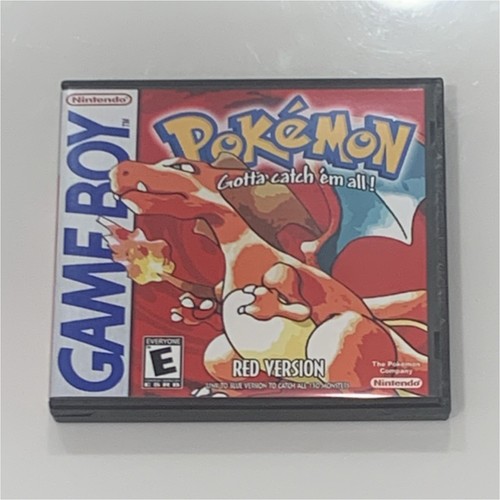
Introduction
You found them. An old box of video games in your parents' basement. That sealed copy of Super Mario Bros. Your complete collection of SNES games in boxes. You remember them being cool back then. But now you're wondering: are they actually valuable?
The answer isn't simple. But there's a way to find out for sure: professional video game grading.
This guide will walk you through everything you need to know about grading retro video games. What it is. Who does it. How much it costs. Whether your games are even worth grading. And what that fancy grade actually means.
What Is Video Game Grading?
Video game grading is simple in concept but detailed in practice.
A professional grader examines your video game and assigns it a numerical grade based on its condition. That grade reflects how close the game is to factory perfect. The better the condition, the higher the grade.
After grading, your game gets sealed in a protective case (called a "slab") with a label showing the grade, game title, system, and grading company.
Think of it like getting your game a report card. The grade tells buyers exactly what they're getting. No surprises. No guessing.
Why Grade Your Games?
Builds Trust
The biggest problem with old video games is trust. When you buy a game online, the seller says it's in "mint condition." But what does that mean? Is it really mint? Or is "mint" just their opinion?
Professional grading solves this problem. A WATA 9.8 A++ means the exact same thing whether it's from 2020 or today. Standards are consistent.
Increases Value
Graded games sell for significantly more than ungraded ones. A game described as "mint" on eBay might sell for $500. That same game, professionally graded and slabbed, might sell for $2,000 or more.
The grade creates confidence. Collectors pay premium prices for that confidence.
Protects Your Investment
The protective case preserves your game. It blocks out dust, light, and damage. Your game is frozen in time at its current condition.
The tamper-evident design also means buyers know the game hasn't been opened or tampered with since grading.
Becomes Liquid
When your game is graded, it enters a liquid market. Collectors know the value of a specific grade. They can buy and sell graded games like stocks or trading cards. Everyone agrees on what a 9.0 is worth.
Without grading, you're stuck trying to sell on eBay to random buyers.
The Major Grading Companies
Three major companies dominate the video game grading market. Each has different philosophies and approaches.
WATA Games
WATA is the most popular choice for high-end games.
What They Do
WATA grades sealed games, complete-in-box (CIB) games, and loose games depending on the system. They use a 1-10 scale for the game and A++/A+/A/B+/B/C+/C letter grades for seals.
Their Philosophy
WATA partnered with Heritage Auctions, a major auction house. This connection transformed video game collecting from a hobby into an "art asset class." Most of the famous million-dollar game sales are WATA graded.
WATA understands marketing. Their slabs look sleek. Their branding is strong. Collectors love how WATA graded games look on display.
Turnaround Time
Expect 4-8 weeks depending on service level. Expedited options exist but cost more.
Cost
Starting at around $25 for standard service. Premium tiers cost significantly more but return games faster.
Video Game Authority (VGA)
VGA is the grandfather of video game grading. They were the first, and they've been doing it for over a decade.
What They Do
VGA primarily grades sealed games. They also grade complete-in-box games. They use a 10-100 scale for grades (not 1-10).
Their Philosophy
VGA focuses on consistency and precision. A VGA 85 graded in 2010 looks and feels the same as a VGA 85 graded today. They're the strict professor of grading. Long-term collectors who value accuracy love VGA.
Turnaround Time
VGA has longer wait times. Standard service can take 45+ days. But turnaround tiers exist if you're willing to pay more.
Cost
Minimum $25 but can reach $295 depending on service level and game value. VGA is generally more expensive than competitors.
CGC Video Games
CGC entered the market more recently but is establishing itself as a serious player.
What They Do
CGC grades sealed games, complete-in-box games, and loose games. They use a 1-10 scale with A++/A+/A/B+/B/C+/C letter grades for seals.
Their Philosophy
CGC is known for superior holder design and security features. Their slabs are sleek and protective. They've built their reputation on physical preservation.
Turnaround Time
CGC offers various service tiers with turnaround times ranging from weeks to a couple months.
Cost
Pricing starts around $25 and scales based on service level and declared game value.
Before You Grade: The Important Questions
Before you send in your games, ask yourself these questions.
Is This Game Worth Grading?
The Price Check First
Look up the raw (ungraded) price of your game. Check sites like PriceCharting.com for current market values.
If a game sells for $20 loose, it's probably not worth a $25+ grading fee. Even if it grades well, the profit won't justify the cost.
Games under $100 in raw value rarely make sense to grade unless they're exceptional.
What Condition Is It Actually In?
This is where most people fail.
Be Honest
Most people overestimate their games' condition. That SNES cartridge you think is mint? It's probably good or very good.
Mint means basically no flaws. No label wear. No fading. No dust. Factory fresh.
Look at your game under bright light. Really look. Every imperfection counts.
Is It Sealed or CIB or Loose?
The type of game matters for value.
Sealed Games
Factory sealed games are unicorns. If you have one from the 80s or 90s, it's worth grading even at lower price points. Sealed adds thousands to the value.
Complete in Box (CIB)
CIB means you have the box, cartridge or disc, and manual. All in the original packaging. These have good value and are usually worth grading if the price justifies it.
Loose Cartridges
A loose cartridge by itself is usually not worth grading. The value increase doesn't justify the grading fee.
Exception: If it's very rare or an early release from the 1980s, it might still be worth it.
Do You Want to Play It?
Here's a key decision: grading is the end of gameplay.
When your game is slabbed, it goes into a protective case. You're not opening it. You're not playing it. It becomes a display piece or investment.
If you want to play your games, don't grade them. If you want to preserve them and potentially sell them, grading makes sense.
Understanding the Grading Scales
Each company uses different scales. This is confusing at first.
WATA Scale (1-10 for Game, A++ to C for Seal)
WATA uses 1-10 for the overall game grade.
Game Grades
- 10: Perfect. No defects.
- 9+: Near perfect. Negligible defects.
- 9: Excellent. Minor imperfections visible only on close inspection.
- 8: Very good. Light wear visible but overall excellent condition.
- 7: Good. Some wear visible but overall nice condition.
- 6: Fine. Moderate wear but still presentable.
- 5-1: Various degrees of wear and damage.
Seal Grades
Seal quality is graded separately using letters.
- A++: Near perfect seal. Negligible defects.
- A+: Very well preserved. Minor defects.
- A: Above average. Single defect or accumulation of small defects.
- B+: Average. Major defect or moderate defects.
- B: Significant handling visible.
- C+: Significant defects.
- C: Heavily damaged.
A WATA 9.8 A++ means a game graded 9.8 (near perfect) with an A++ seal (near perfect).
VGA Scale (10-100)
VGA uses a 10-100 scale. So does Video Game Graders LLC.
- 100: Perfect. Flawless.
- 95-99: Gem mint. Essentially perfect.
- 90-94: Mint. Minimal defects.
- 85-89: Near mint. Light wear.
- 80-84: Very fine. Some visible wear.
- 75-79: Fine. Moderate wear.
- 70-74: Very good. Significant wear.
VGA grading is more granular. A VGA 92 is different from a VGA 94. This appeals to detail-focused collectors.
CGC Scale (1-10 with Letter Seal Grades)
CGC uses 1-10 like WATA with the same letter grades for seals.
The scales are essentially the same across WATA and CGC.
What Graders Look For
Professional graders are detail-oriented obsessives. They'll check things you never even considered.
The Seal (Most Critical)
For sealed games, the seal is everything.
What They Inspect
- Plastic wrap condition
- Seam integrity (H-Seam, Y-Fold, V-Seam, etc.)
- Tears or punctures
- Loose seals
- Creasing
- Dust under the seal
The seal type matters too. Different systems had different seals. NES games have H-Seams. Disc-based games often have Y-Folds. Graders know what's normal and what's damage.
The Grade Killers
A torn seal. Sun fade. A puncture. Any of these can drop your grade significantly.
Detecting Re-Seals
Scammers sometimes take a used game and shrink-wrap it to make it look new. Graders are trained to spot these fake "re-seals." They'll reject the game and refund your fee (minus a processing fee).
The Box
The box is worth 50% of a CIB game's grade.
What They Inspect
- Color fading (especially from sun exposure)
- Crushing or creasing
- Cracking or splitting
- Water damage or warping
- Tears or holes
- Writing or stickers
- Printing defects or discoloration
The Detail Work
Graders use bright lights to spot imperfections. They'll turn the box over and examine all sides. The back corner? The spine? The bottom? Everything counts.
Common Defects
- Puffy corners (puffing inward)
- Water stains (permanent damage)
- Color breakage (white or grey showing through where ink wore off)
- Fading (especially visible comparing front to back)
The Cartridge (or Disc)
The cartridge is worth 30% of a CIB game's grade.
Cartridge Inspection
- Label condition (fading, peeling, stickers)
- Plastic condition (cracks, discoloration)
- Pin condition
- Writing on cartridge
Disc Inspection
- Scratches
- Rotting (disc decay over time)
- Cracks
- Play wear
Note: For sealed games, graders can't actually see the cartridge. They grade based on what's visible through the box.
The Manual
The manual is worth 20% of a CIB game's grade.
What Matters
- Page condition (creases, tears, stains)
- Cover integrity
- Writing or markings
- Water damage
- Completeness (all pages present)
Special Considerations
Autographs
Unless the game came with a signature from the factory, autographs usually hurt the grade significantly. Even famous autographs from developers.
Missing or Damaged Inserts
Missing poster or inserts reduces the grade. Damaged inserts also hurt.
Stickers or Writing
Price stickers, pen marks, or anything written on the box or manual reduces the grade.
Added Devices
Plastic hooks, security tags, or anything added after the game left the factory lowers the grade.
Mismatched Pieces
If your box is revision 1 but your cartridge is revision 2, graders will note this as "mismatched" (MMB, MMC, or MMM). Collectors prefer matched sets.
Types of Damage Explained
Understanding damage types helps you evaluate your own games.
Seal Damage
Slight Wear
Minor handling, small scuffs, edges showing slight damage. These are normal on older games and don't kill the grade.
Loose Seal
The shrink wrap becomes loose and doesn't grip the box tightly anymore. This is a defect but not severe.
Tears or Holes
The plastic wrap has torn or has holes. Severity depends on size and location. A small hole is better than a large tear.
Adhesive Residue
Old tape or stickers left marks on the seal. Depending on visibility, this impacts the grade.
Box Damage
Creasing
Bends or creases in the cardboard. Corner creases are common. Spine creases are more serious.
Crushing
The box was compressed or crushed during storage or shipping. This leaves permanent indentations.
Water Damage
Moisture exposure causes warping, discoloration, and a wavy texture. This is permanent and serious.
Color Fading
Sun exposure fades the artwork. Compare the back and sides to the front. If one side is noticeably lighter, that's fading. Faded boxes typically don't grade above 8.0.
Tears
Small tears at edges or flaps. Large tears significantly impact the grade.
Cartridge or Disc Damage
Label Wear
Fading or peeling of the cartridge label. This is common on older games.
Sticker Residue
Old stickers or price tags leave marks. This is a minor defect.
Cracks
Plastic cracks are serious. A single visible crack can significantly lower the grade.
Discoloration
The plastic yellowing or browning with age. This is normal aging but still impacts the grade.
Grading by System Type
Different systems have different considerations.
Cartridge-Based Games (NES, SNES, Genesis, N64)
Seal Type
NES games have H-Seams. SNES games vary between H-Seams and V-Overlaps. N64 games typically have Y-Folds. Knowing the seal type matters for authenticity.
What Matters Most
The seal condition and box condition. Cartridge condition matters less since it's inside the box on sealed games.
Grade Range
Mint sealed cartridge games typically grade 8.0-9.8. Very few reach 10.0 (flawless).
Disc-Based Games (PS1, PS2, Dreamcast, Sega Saturn)
Case Condition
Jewel cases and DVD cases are plastic. They're sturdier than cardboard but prone to cracking.
Cracks in the plastic are serious defects. Dents to soft plastic faces reduce the grade.
Insert Quality
The paper insert inside the case matters. Creasing or misalignment impacts the grade.
Seal Type
Disc games often have Y-Fold seals or H-Overlaps. Graders know what's authentic.
Grade Range
Disc games tend to grade lower overall due to case fragility. 7.0-9.0 is common.
Manual and Inserts
Some games come with thick instruction manuals. Others have thin pamphlets or poster inserts.
All inserts and manuals are evaluated. Completeness matters. Condition matters.
Missing inserts? The grade drops.
The Grading Process: Step by Step
Wondering what happens after you send in your games?
Step 1: Submission
You choose your service level and complete paperwork. Faster turnaround costs more. You pack your game carefully and ship it insured to the grading company.
Step 2: Intake and Logging
Your game arrives. Staff log it into the system. They email you confirmation. Your game is now in the queue.
Step 3: Inspection
This is where the magic happens. Professional graders use:
- Jeweler's loupes for close inspection
- Bright lights (OttLites) to spot flaws
- Magnifying glasses to check fine details
- Their experience and knowledge
They evaluate the box, seal, cartridge/disc, and manual against 26+ specific criteria. Every single detail gets judged.
Step 4: Assessment
The grader assigns grades for each component. For CIB games, these are weighted:
- Box: 50%
- Cartridge/Disc: 30%
- Manual: 20%
The overall grade reflects the condition of the entire submission.
Step 5: Verification
A second expert reviews the grades. They check the work. They verify authenticity. They confirm the grade is fair.
Step 6: Encapsulation
The game is sealed in a protective acrylic case (the "slab"). The grade and information are printed on the label. Security features prevent tampering.
Step 7: Return
Your graded game ships back to you insured. It arrives in a protective box.
You now own a graded, authenticated video game with a permanent grade.
Cost Breakdown
Grading isn't free. Here's what you'll actually pay.
Grading Fees
Standard service: $25-$50 per game
Premium/expedited: $100-$200+ per game
The fee depends on the game's declared value and how quickly you need it.
Shipping Costs
You ship it to the grader (insured): $10-$20
They ship it back to you (insured): $10-$20
Total shipping: $20-$40
Total Cost Per Game
Minimum total cost: $50 (with standard service and budget shipping)
More likely: $100-$150 per game
The Math
If you're grading a game worth $200 raw, a $50 grading fee might be justified. The grade could increase its value to $400-$600.
If you're grading a game worth $30 raw, no grading fee makes sense. The value increase won't justify the cost.
Is Your Game Even Worth Grading?
Here's the reality check.
Games NOT Worth Grading
- Loose cartridges worth under $100
- CIB games worth under $200
- Games in poor condition
- Damaged or water-damaged games
- Games with writing or stickers
- Reproductions or bootlegs
The grading fee will eat your profit margin.
Games Worth Grading
- Sealed games from the 1980s-90s
- Rare or limited releases
- Games in excellent condition worth $300+
- CIB games in near-mint condition
- Games you're planning to sell
These justify the grading investment.
The Sweet Spot
Sealed games from popular systems in good-to-excellent condition are the best candidates. A sealed copy of Mario Bros. or Zelda from 1985? Grade it. A complete-in-box copy of a Super Nintendo RPG in pristine condition? Grade it.
But be realistic about condition. Be honest about value.
Red Flags: When NOT to Grade
Some things automatically disqualify games from grading.
Obvious Disqualifiers
Water Damage
Moisture exposure is permanent. Don't waste your grading fee.
Major Creasing or Crushing
Significant structural damage to the box.
Obvious Counterfeits
Reproductions won't be graded. You'll get a rejection letter.
Missing Seal
If it's supposed to be sealed but isn't, it can't be graded as sealed.
Third-Party Re-Seals
A used game you rewrapped. Graders will detect and reject it.
Obvious Non-Authentic
Bootlegs, pirated copies, or unlicensed games won't be graded.
If you suspect your game has any of these issues, don't submit it. You'll just lose the grading fee.
WATA vs. VGA: Which Should You Choose?
Both are legitimate. Both have pros and cons.
Choose WATA If:
- You're planning to sell at auction
- You want the most liquid market
- You prefer the 1-10 scale
- You want sleek, eye-catching slabs
- You're targeting high-end collectors
Choose VGA If:
- You want historical consistency
- You prefer the more granular 10-100 scale
- You're building a long-term collection
- You value precision over marketing
- You want the original grader's reputation
The Market Reality
If you're selling high-end games, WATA has the edge. Heritage Auctions partnerships mean better marketing and higher prices.
If you're a serious collector, VGA's consistency appeals to you.
For most people, either works. Both grades are respected.
Common Myths About Grading
Myth: Grading preserves the game forever
False. Grading helps preserve it, but it doesn't stop aging. Batteries in cartridges still degrade. Discs still rot. The slab protects against external damage, but internal decay continues.
Myth: A sealed game is always worth more
True, but with caveats. A sealed game is more valuable than an unsealed one. But condition matters more than seal. A sealed game in poor condition might be worth less than a CIB game in excellent condition.
Myth: Every game should be graded
False. Most games aren't worth grading. Only grade games where the value justification makes sense.
Myth: Professional graders make mistakes
Rarely. But it happens. They're human. That's why second verification exists.
Myth: All grading companies grade the same way
False. Each has different philosophies and strictness levels. A WATA 9.0 isn't identical to a VGA 90.
Myth: You can remove a game from its slab
Technically yes, but practically no. Slabs are sealed. Opening it destroys the grade. Your game becomes ungraded and worth significantly less.
Selling Your Graded Games
Once you have that fancy grade, how do you sell?
Where to Sell
Heritage Auctions
Best for high-end games. They work closely with WATA. If you're selling a $1,000+ game, Heritage is ideal.
eBay
Good for mid-range graded games. Lots of buyers. But you compete with other sellers.
Facebook Groups
Collector communities buy graded games. Direct sales avoid auction fees.
Local Game Shops
Some buy graded games at competitive prices.
Specialty Auction Sites
Various sites specialize in graded games. Research which has the best audience for your specific game.
Pricing Your Game
Check sold listings for the same game at the same grade. Let the market tell you the price. Don't overprice hoping for a unicorn buyer.
A graded game with an official grade has less negotiating room than an ungraded game. The grade defines the value.
Fees and Reality
eBay, auctions, and marketplaces all take cuts. Factor in 10-20% for fees.
A $1,000 graded game might net you $800-$900 after fees.
Still better than an ungraded version would sell for.
The Long Game: Collecting vs. Flipping
Why are you grading?
Collecting
If you're building a collection you love, grading makes sense. You're preserving something valuable. You're creating a museum-quality collection.
Graded games look awesome displayed. Each slab shows off your piece with its official grade.
Flipping
If you're trying to make quick money, grading usually isn't the right move. Grading takes time. You're locked into your games for 4-8 weeks.
Better opportunities might exist if you sell raw games on eBay quickly.
Long-Term Investing
If you're investing for 10+ years, grading makes sense. Condition is preserved. The game is authenticated. The market for graded games is only growing.
Historic data shows graded games outperform raw games long-term.
Conclusion: Should You Grade Your Games?
Here's the decision tree:
- Do you have sealed games from the 1980s-90s? Grade them.
- Do you have CIB games worth $300+ in excellent condition? Probably grade them.
- Do you have loose cartridges? Don't grade.
- Do you have damaged or stained games? Don't grade.
- Do you plan to play your games? Don't grade.
- Do you want to display museum-quality collectibles? Grade them.
Grading transforms your video game collection. It creates permanence. It creates value. It creates a record.
But it's only worth it for the right games in the right condition.
Dig through your collection. Look honestly at condition. Check actual market prices. Make informed decisions.
And if you decide to grade, do it right. Choose a reputable grader. Package carefully. Set realistic expectations.
Your childhood treasures deserve to be preserved properly. Grading is one way to honor that history while creating something valuable for the future.
Happy grading.